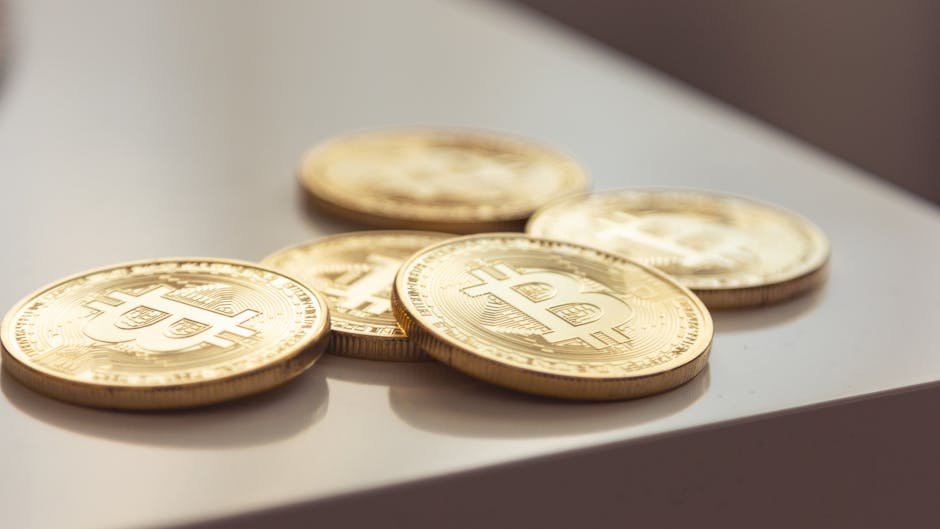
Cryptocurrency markets experienced a sharp and sudden downturn following an unexpected regulatory crackdown targeting multiple exchanges and DeFi platforms. Authorities announced stringent new compliance measures and froze several high-profile accounts suspected of violating anti-money laundering laws. This development has sent shockwaves through the crypto community, raising concerns about increased government intervention and tighter oversight. Such regulatory actions often trigger swift reactions as traders reassess the risks tied to digital assets, leading to accelerated selling pressure.
As a result, Bitcoin and major altcoins saw significant price declines over the past 24 hours. Bitcoin fell nearly 1.9% to around ¥9,678,000, while Ethereum dropped 2.7% to ¥254,283. Other top coins like Binance Coin and XRP also faced notable losses, with XRP particularly hard hit, down 3.34% to ¥168. The widespread sell-off reflects investors’ heightened caution and a shift away from riskier assets amid uncertainty. These moves matter because they demonstrate how quickly sentiment can change when regulatory environments become less predictable, potentially impacting liquidity and market stability in the near term.
Market sentiment has turned decidedly bearish, with on-chain data showing increased outflows from exchanges and a rise in selling volumes. On-chain analysis, which looks at blockchain activity such as transfers and wallet behaviors, reveals that long-term holders are reluctant to buy at current levels, while short-term traders are offloading positions. This dynamic suggests that confidence is waning and that a cautious approach is warranted. Investors will be watching closely for any signs of regulatory easing or clarity, which could help restore stability and encourage renewed buying interest.
Overnight price action showed Bitcoin struggling to hold key support levels around ¥9.6 million, while altcoins generally followed suit with further declines. For traders active during the Asia session, it will be critical to monitor how prices behave around these technical zones and whether any positive news emerges from regulatory bodies or market participants. Additionally, keeping an eye on volume spikes and exchange flows can provide early clues about potential rebounds or continued weakness. Given the current environment, a cautious stance with tight risk management remains advisable as markets digest evolving regulatory developments.